
Self Binding Path Gravel Aggregates Direct

Step 3: Laying the Gravel. Start laying the self-binding gravel evenly across the prepared area. A layer of about 50mm is typically recommended, but the depth can vary depending on your specific requirements. Make sure the gravel is evenly spread, and use a rake for better distribution. Step 4: Compacting the Gravel.
Self Binding Gravels Stone walls garden, Decorative aggregates, Cottage garden

Self-binding gravel pros and cons. Self-binding gravel has had significant quantities of dust added to it to improve its self-binding ability. This knits the gravel together to form a surface that's less susceptible to scuffing. It's commonly used in parks but also for domestic driveway projects. Pros. Less susceptible to scuffing and.
Self binding gravel / Hoggin path + steps idea Landscaping retaining walls, Backyard

Self-binding gravel, also known as self-binding path gravel or self-binding aggregate, is a type of gravel used for pathways, driveways, and other landscaping purposes. Unlike traditional loose gravel, self-binding gravel contains a higher proportion of fine particles that bind together to form a firm surface when compacted.
Cotswold Self Binding Path Gravel Bromsberrow
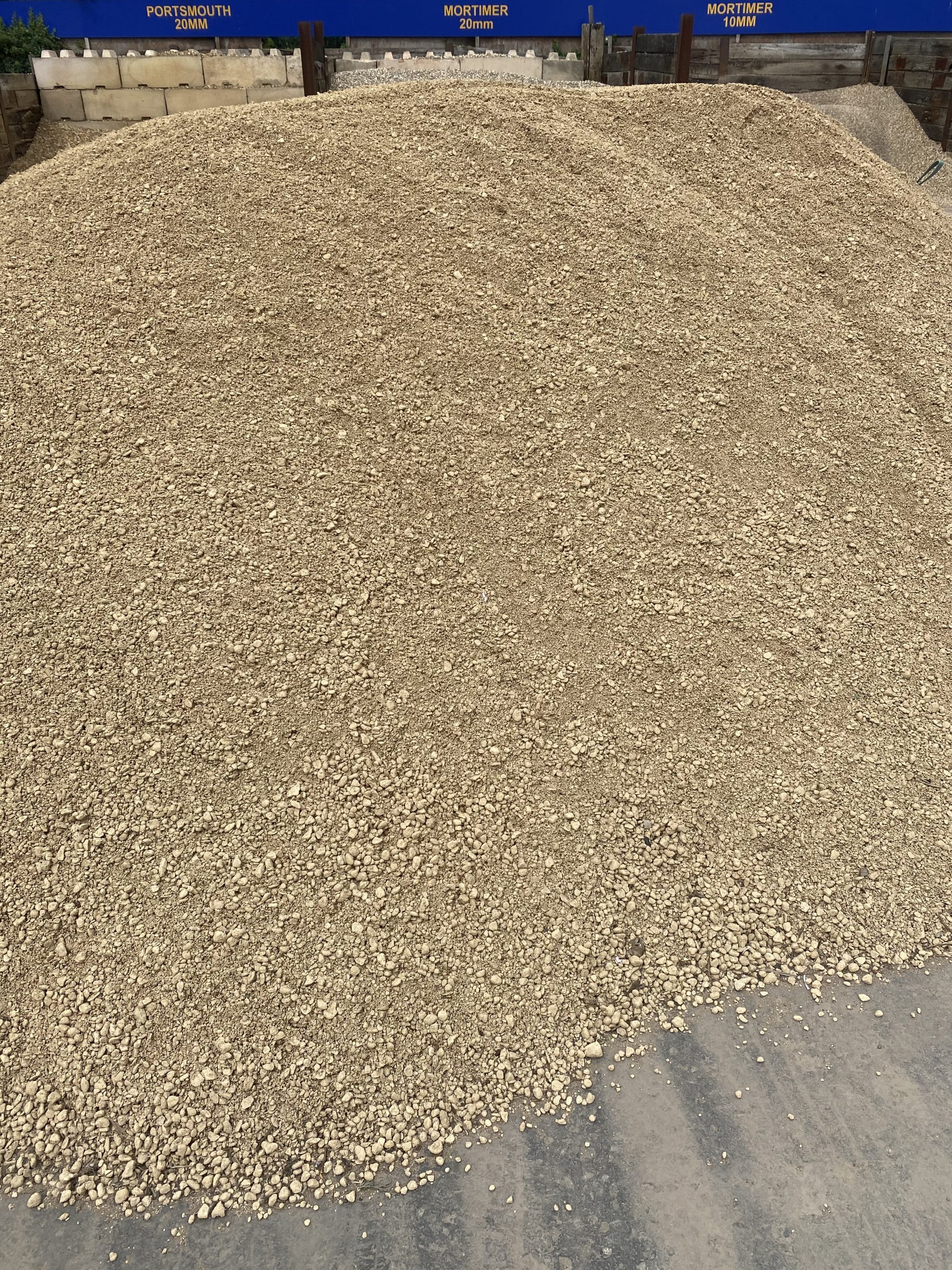
Self-Binding Gravel is an easy to lay alternative to traditional materials such as flags, paving, macadam or concrete. The gravel binds together when rolled to provide a self compacted surface which remains firmer underfoot than conventional loose aggregate. Self-binding gravel is suited to a wide spectrum of applications, including golf.
Self Binding Cotswold Path Gravel

Self-Binding Gravel: Pros and Cons Pros/Advantages of a Self-binding Gravel. There are many benefits that come with installing a self-binding gravel and we will look at some of them in this section. They Are Decorative And Visually Appealing: Self-binding gravel is very decorative and eye-catching. Self-binding aggregates can be used to create.
Cotswold Self Binding Path Gravel
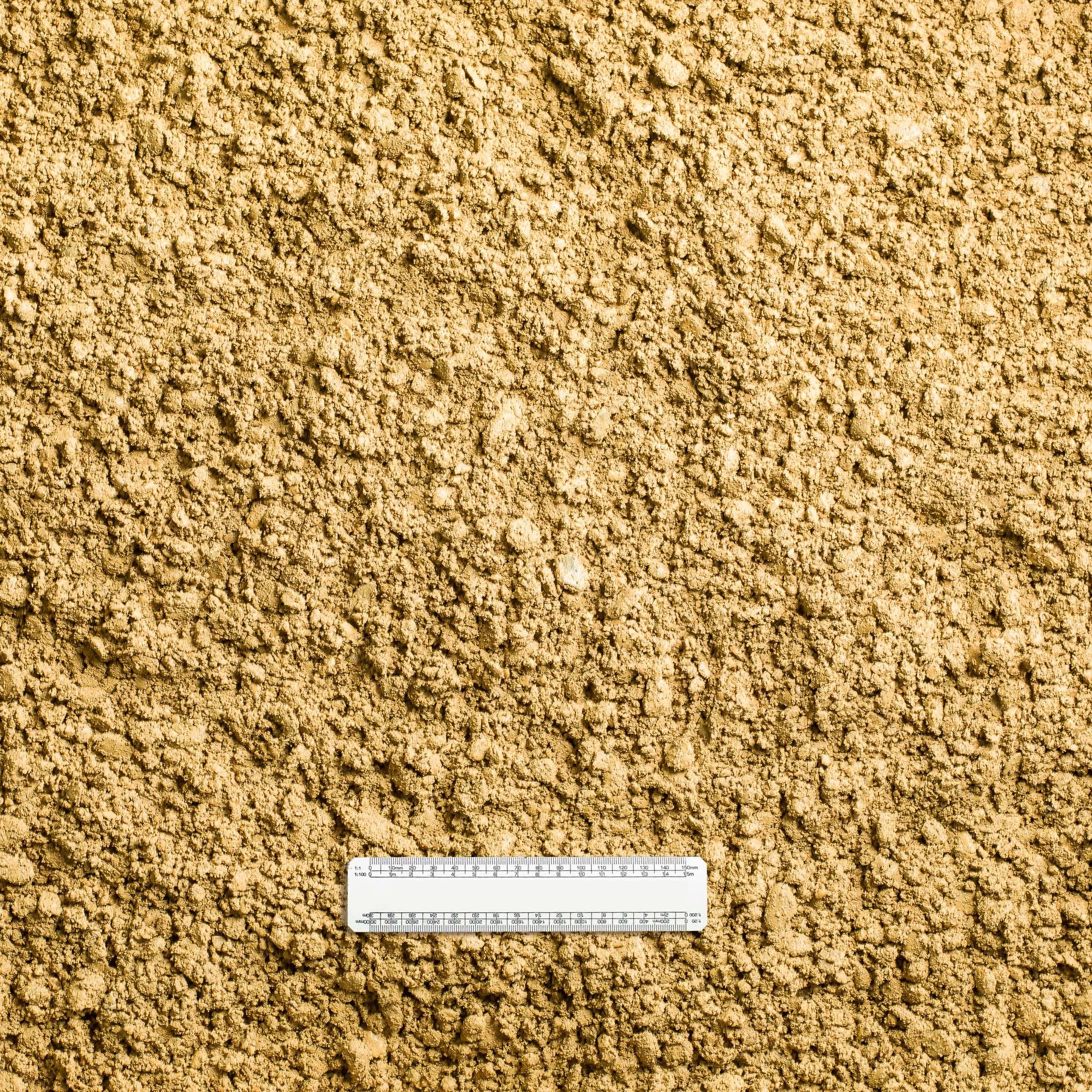
Pros and Cons of Self Binding Gravel. Using decorative stones to create the perfect garden layout is a long process, and only informed decisions will ensure you're on the right track. Here, we have taken a closer look at both the pros and cons for self binding aggregates, handing you more clarity over their suitability..
Self Binding Gravel Suppliers Near Me Grey Self Binding Gravel Path
-728-p.jpg?v=01AECA55-DBB7-44B9-B83C-797F2BF2E88E)
Pros. Grass paving is a SuDs-compliant option that comprises a concrete or plastic honeycomb form, typically 500mm x 500mm. The honeycomb structure carries the weight of people or vehicles and allows grass to grow through it. You can also use grass paving with gravel, which would not need to be self binding. Cons
What is Self Binding Gravel? Aggregates Direct

Self-binding gravel is a versatile and durable material that is commonly used in landscaping and construction projects. It is a mixture of aggregates and binders that create a hard-wearing surface that is ideal for paths, driveways, and other outdoor areas. In this guide, we'll explore the benefits of self-binding gravel and how it can.
Landscape Hoggin / Self Binding Gravel Riverside Quarry
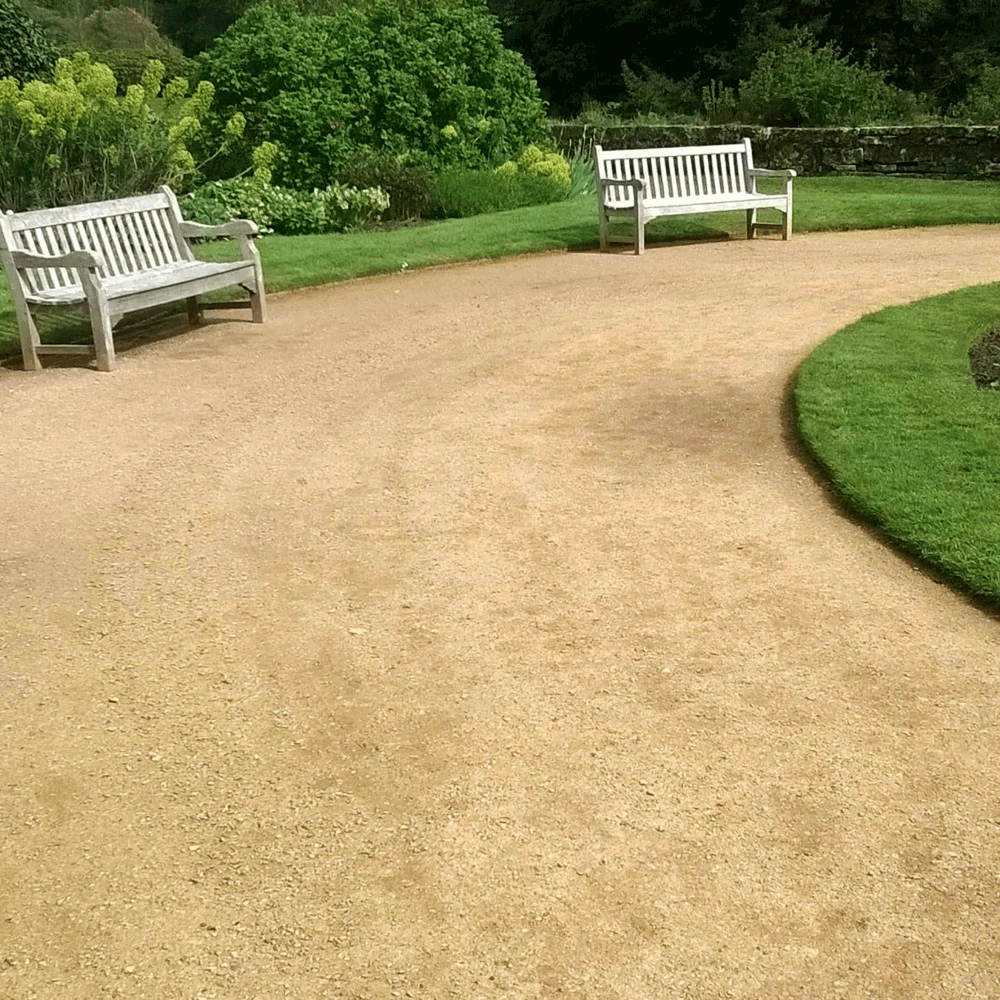
Here are some more in-depth explanations of the pros of using hoggin for driveways: Pros. Explanation. Self-binding properties. Hoggin can create a self-binding surface due to the clay and stone dust in the mix. This can create a more stable surface that is less likely to erode or become uneven over time.
Breedon SelfBinding Gravels in 2022 Decorative aggregates, Binding, Gravel

A self-binding gravel driveway is made from aggregates — usually crushed limestone or granite — and a binding agent, like clay or sand. The binding agent packs the gravel together to create a hard surface. There are several pros and cons of self-binding driveways. They give a natural look but are tough enough for everyday use. Rainwater can.
Decorative Aggregates Supplied and Delivered Jayo Limited

Self Binding Gravel Pros and Cons. While self-binding gravel offers low maintenance, cost-effectiveness and a natural appearance, it's not without its drawbacks. It's less suited for high-traffic or steep areas and can become uneven or damaged after heavy use or in very wet conditions. It is not weed-resistant, so a weed membrane should be.
What is Self Binding Gravel? Aggregates Direct

See the Gravel Gallery for more examples of popular British and Irish gravels.. Pea gravel refers to a well-rounded gravel, usually in the 5-10mm size range. It is a popular bedding material for laying drainage pipes.. Self-binding Gravel is a specific blend of aggregates that gives a semi-bound finish. This is considered in more detail on a separate page .
How To Lay Self Binding Gravel
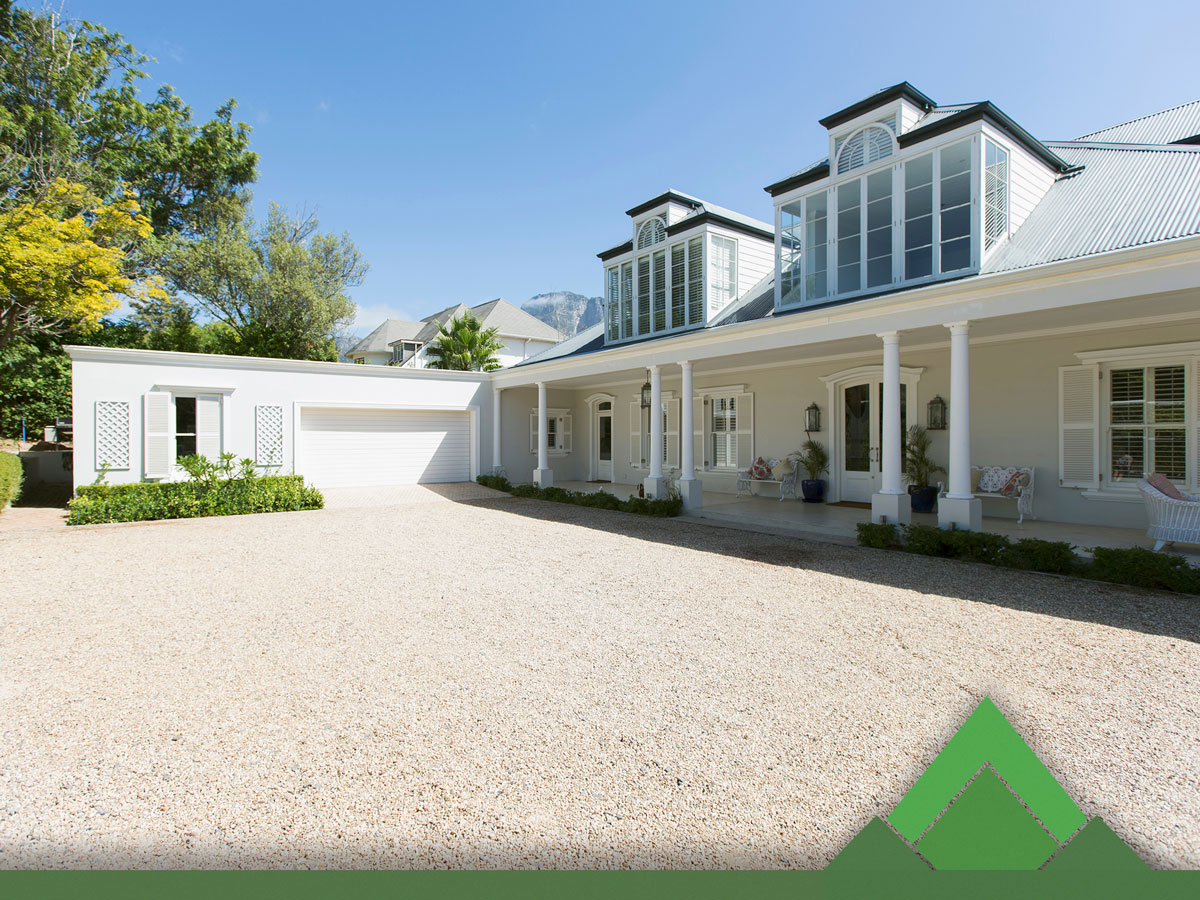
Self-binding gravel is one solution to this. Rather than being only made up of larger pieces of aggregate, self-binding gravel includes tiny particles that stick together when compressed. In many cases, self-binding gravel is rolled after it is laid to encourage cohesion between the fine dust, pebbles and other aggregate particles within it.
What Is SelfBinding Gravel?
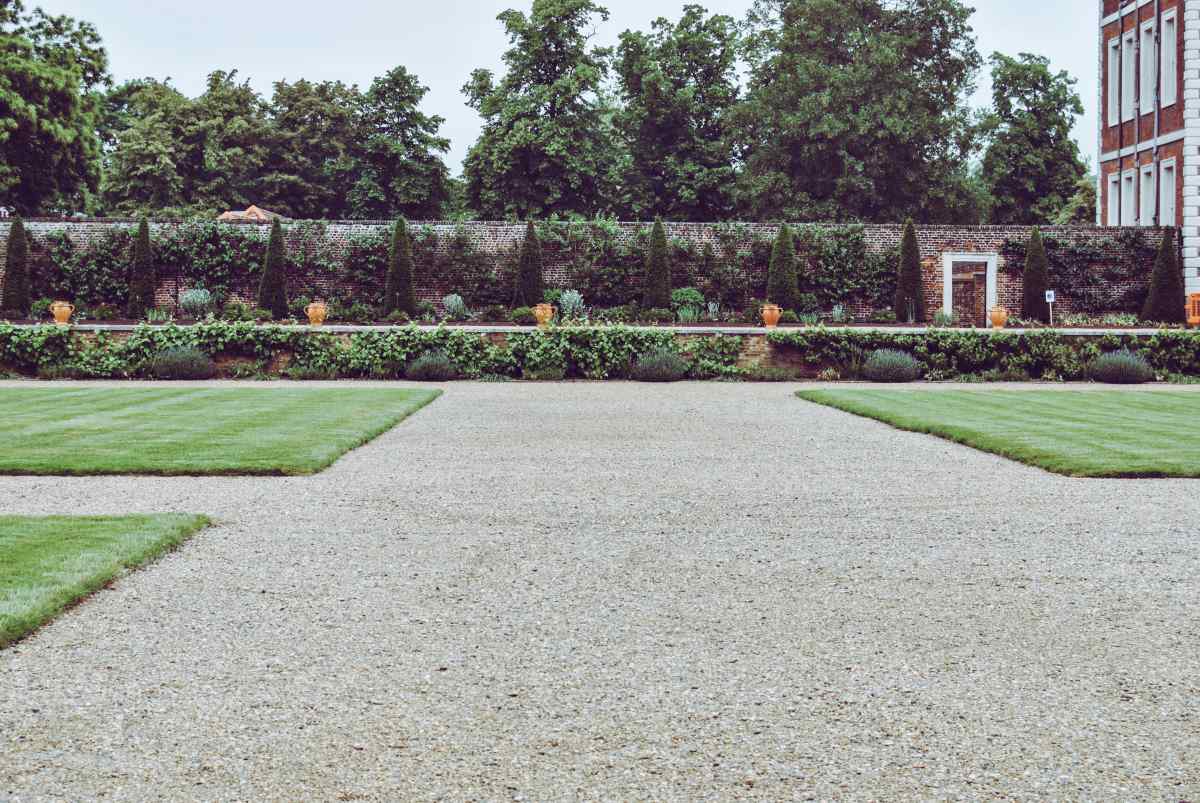
Self-Binding Gravel Needs Less Resurfacing. For a long gravel driveway it might be worth considering self-binding gravels. These are effectively supplied in a form that's dirtier than the usual gravel, but the dirt is very useful. It's actually the smaller particles, the dust (known as 'fines' in the trade) that is cleaned from the.
SelfBinding Gravel Gravel landscaping, Backyard landscaping, Garden design

004_self binding gravel specification Rev A. 'Self Binding Gravel' Path Standard Detail. Geotextile such as 'Terram 2000', 'Lotrak 16/15' or similar approved layed and secured. in the formation tray. To lay all base and both sides, sheets overlapped by 1m. Path surface formed from bound gravel laid to a thickness of 50mm after.
SelfBinding Buff Gravel Premium Topsoil Supplies

Pea gravel driveway. Pea gravel, also known as 'pea shingle,' is a quartz-based amalgamation that works well for driveways. It is cheap, dynamic, and spherical, and the pieces provide excellent water flow, preventing erosion and weed growth. 2. Self-binding gravel.